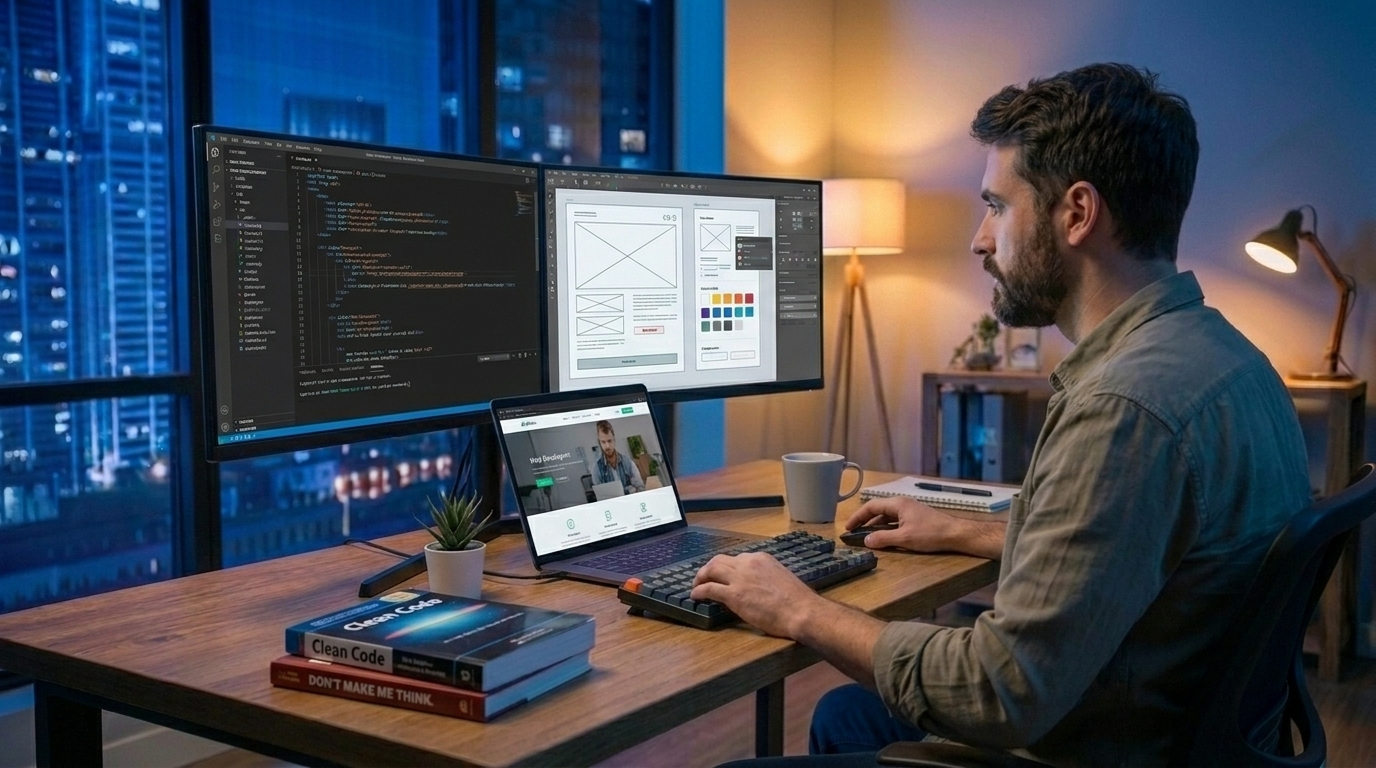
If you have ever tried to build a website, you have probably heard the terms web design and web development thrown around like they mean the same thing. They don't! Understanding the difference between web development vs web design is one of the smartest moves any business owner can make before starting a project.
Here is the quick answer. Web design shapes how a website looks and feels. Web development brings that design to life so it actually works. Both matter. Both are different. And when they work together, you get a website that looks amazing and runs smoothly.
This guide is for business owners, startups, and anyone planning a new website who wants clear answers without the tech jargon. By the end, you will know:
- What web design really means and who does it
- What web development involves and why it matters
- The key differences side by side
- Real business scenarios that show why both count
- How to pick the right partner for your project
Let's break it all down in simple, easy steps!
What Is Web Design?
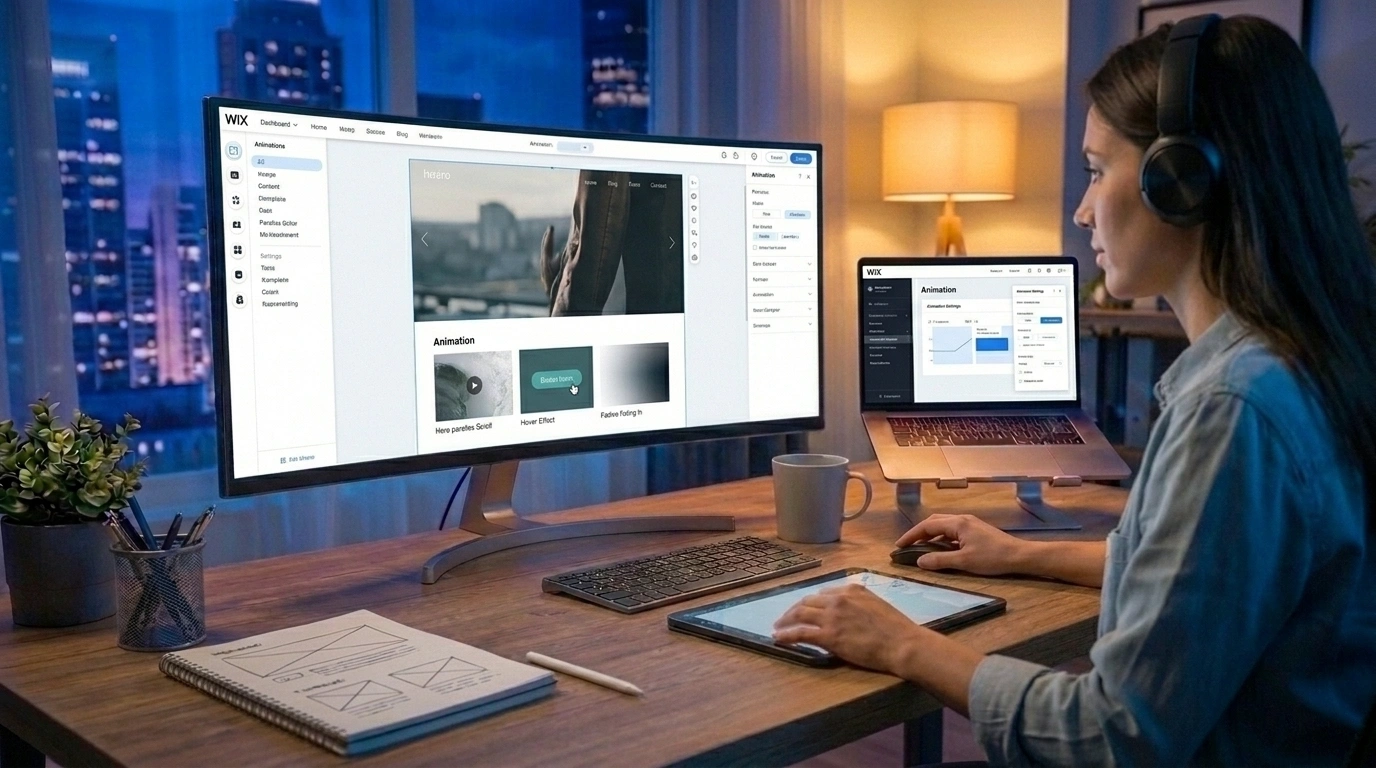
Web design is all about how a website looks, feels, and guides visitors. Think of it as the creative and visual side of building a site. A designer decides on colors, fonts, layout, images, and the overall vibe a website gives off.
But good design is not just about pretty pictures. It is about creating a smooth, enjoyable experience for every visitor. When people land on your site, they should know exactly where to click and what to do next. That is the magic of thoughtful design.
Key Parts of Web Design
Web design covers several important areas that all work together:
- Layout and structure: where content, buttons, and images sit on the page
- Color and branding: choosing shades that match your brand and mood
- Typography: picking readable, attractive fonts
- User experience (UX): making sure the site is easy and pleasant to use
- User interface (UI): designing the buttons, menus, and clickable elements
- Responsive design: making the site look great on phones, tablets, and desktops
UI vs UX in Web Design
People often mix up UI and UX, so here is the simple version. UX design focuses on the overall journey and how a site feels to use. UI design focuses on the actual screens, buttons, and visual touchpoints people interact with.
For example, UX decides that a checkout should take three easy steps. UI designs the exact look of each button and form on those steps. When a team gets both right, visitors stay longer and take action. That is why strong UI/UX design services can make or break a website.
Color choice plays a huge role here too. It shapes emotions and even buying decisions. The right shades can boost trust and drive more sales than you might expect.
In short: web design is the creative blueprint that decides how your website looks and how people feel when they use it.
What Is Web Development?
Now let's talk about the other half of the story. Web development is the process of building and coding a website so it actually works. If design is the blueprint, development is the construction crew that turns that plan into a real, working structure.
Developers take the visual design and use programming languages to make it function. They handle the clicks, the forms, the databases, and everything happening behind the scenes. Without development, a design is just a beautiful picture that does nothing.
Types of Web Development
Web development usually splits into three main areas:
- Front-end development: This covers everything users see and interact with in their browser. Developers use languages like HTML, CSS, and JavaScript to turn designs into clickable pages.
- Back-end development: This is the server side, where data is stored and processed. It handles logins, databases, payments, and the logic that powers the site.
- Full-stack development: This combines both front-end and back-end skills. A full-stack developer can build a complete website from top to bottom.
Common Web Development Tools and Platforms
Developers use many tools depending on the project. Some popular ones include:
- WordPress for flexible, content-driven websites
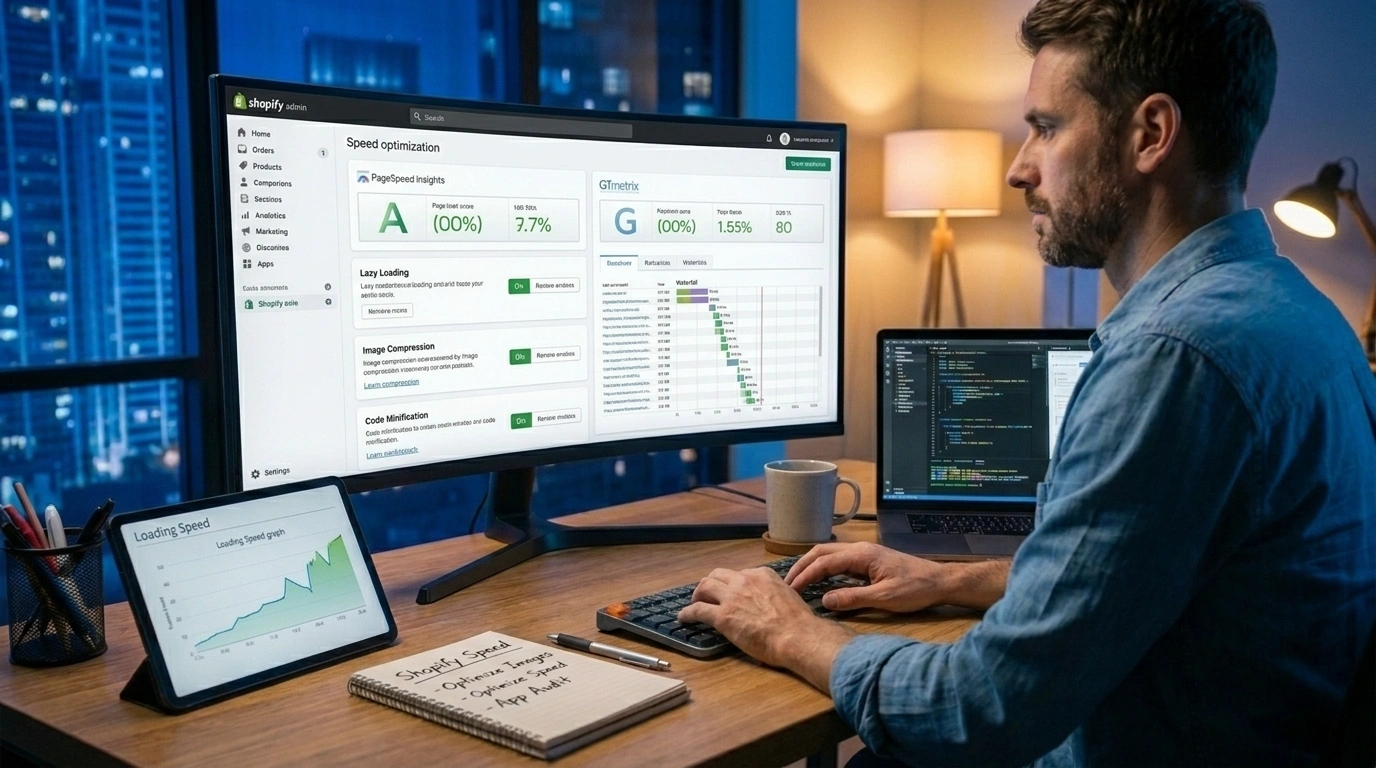
- Shopify for online stores and eCommerce
- Custom code for unique, complex projects that need full control
Not sure which platform fits your needs? The team at Razen Creations LLC handles design and development together and can help you choose the right fit.
In short: web development is the technical work that makes your website run, respond, and perform.
Web Development vs Web Design: The Key Differences
Now that you know both sides, let's put them side by side. This is the heart of the web development vs web design comparison, and seeing them together makes everything click.
Focus and Purpose
- Web design focuses on looks, feel, and user experience.
- Web development focuses on function, structure, and performance.
Design asks, "How should this look and feel?" Development asks, "How do we make this work?"
Skills and Tools
- Designers use tools like Figma, Adobe XD, and Photoshop. They think in colors, layouts, and user flows.
- Developers use programming languages and frameworks. They think in logic, code, and systems.
The End Result
- A designer hands over a visual mockup of the website.
- A developer turns that mockup into a live, working site.
In short: design and development are two different jobs, but they aim for the same goal, a website that wins customers.
How Web Design and Web Development Work Together
Here is the part many people miss. Web design and web development are not rivals. They are teammates! The best websites happen when designers and developers work hand in hand from day one.
Picture building a house. The architect draws the plans and the builders construct it. If they never talk to each other, you get a house that looks odd or falls apart. The same goes for websites.
When design and development stay in sync, you get:
- A site that looks stunning and loads fast
- Smooth navigation with no broken links or buttons
- A consistent experience across all devices
- Fewer costly fixes and delays down the road
This is exactly why working with one full-service team often beats hiring separate freelancers. A connected team keeps everything aligned. If you want that smooth, all-in-one approach, get a free consultation with a team that handles both.
In short: design and development shine brightest when they are built together from the start.
Real Business Use Cases: When You Need Each One
Theory is nice, but let's get practical. Here are real scenarios that show when design, development, or both come into play. See which one sounds like your business!
Scenario 1: A New Startup Launching Online
A brand new startup needs a website that builds trust fast. Here you need strong web design to create a professional first impression, plus solid development to make it functional. You also want memorable branding and a clear logo to stand out from day one.
Scenario 2: An Online Store That Wants More Sales
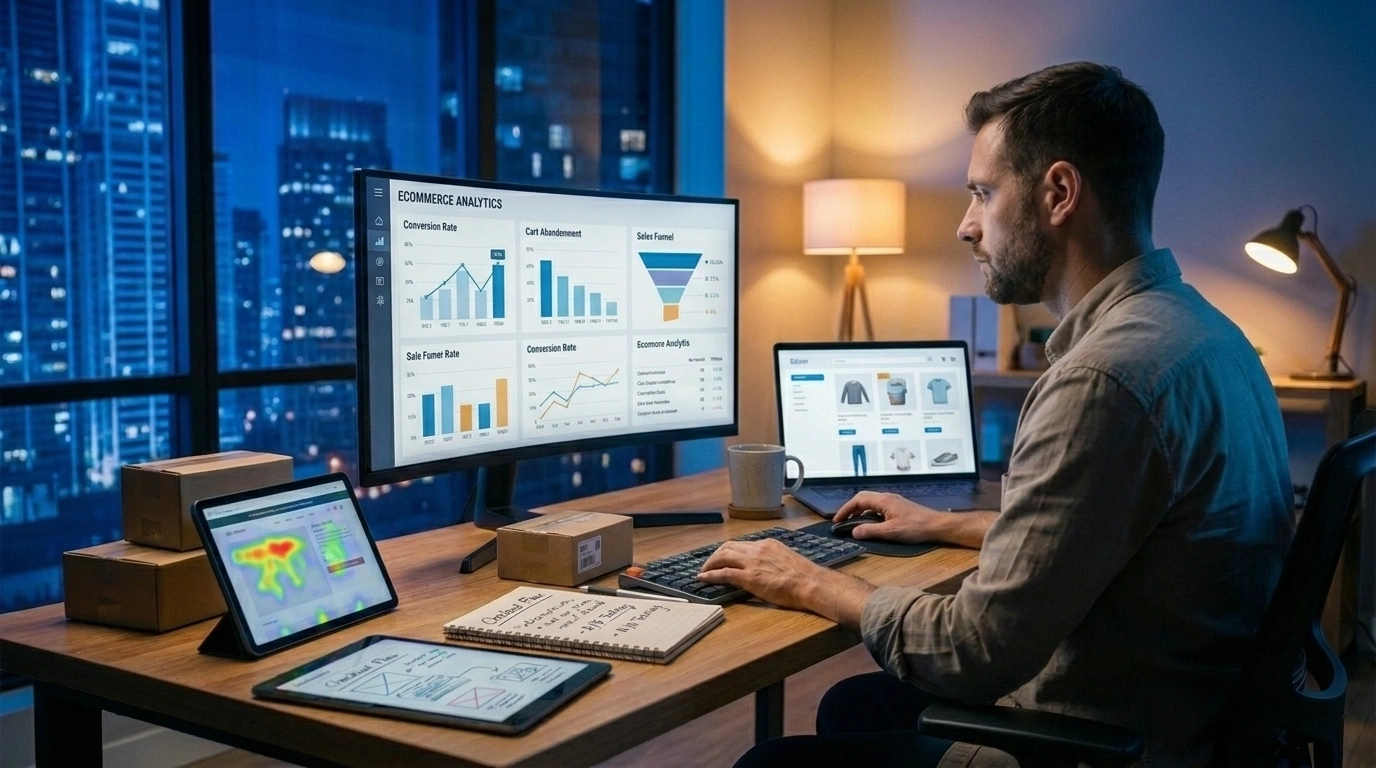
An eCommerce brand lives and dies by its website. Design keeps shoppers browsing, while development powers the cart, checkout, and payments. Both must be flawless.
If your store is not converting, the problem is often a mix of weak design and clunky development. For a full build, explore eCommerce website development to get a site that actually sells.
Scenario 3: An Established Business Needing a Refresh
Maybe your website looks dated and slow. This is a redesign job that blends fresh design with updated development. A refresh can even lift your search rankings and bring in more qualified visitors.
Scenario 4: A Company That Needs a Custom Tool
Sometimes a normal website is not enough. You might need a custom app or software to run your operations. That is heavy development work, and it requires a team that knows how to build from the ground up.
In these cases, custom software development or mobile app development is the answer.
In short: your business goal decides how much design and development you need.
Common Mistakes Businesses Make
You might be wondering where projects usually go wrong. Here are the traps to avoid so your website turns out great the first time!
- Choosing looks over function: A gorgeous site that loads slowly frustrates visitors.
- Ignoring mobile users: Most people browse on phones, so responsive design is a must.
- Skipping user testing: Guessing what users want is risky. Real testing gives you real answers.
- Forgetting maintenance: Websites need regular care to stay secure and fast.
- Separating design and development too much: When teams do not talk, quality drops.
Avoiding these mistakes saves time, money, and stress. Even better, a good partner spots these issues before they cost you customers.
In short: smart planning and the right team keep these common mistakes off your plate.
How to Choose the Right Partner for Web Design and Development
Picking the right team is a big decision. Here is a simple, step-by-step way to choose well.
- Check their portfolio: Look at past work to see if their style matches your vision. Browse the Razen Creations portfolio for examples.
- Ask about their process: A clear process means fewer surprises later.
- Confirm they do both design and development: A full-service team keeps everything smooth.
- Look at extra services: SEO, marketing, and maintenance help long after launch.
- Read reviews and case studies: Real results speak louder than promises.
A strong agency does more than build websites. It helps you grow. That is where a full-service partner really shines.
Why a Full-Service Agency Helps
When one team handles everything, you save time and avoid finger-pointing between vendors. At Razen Creations LLC, you get web design and development plus a full range of growth services including SEO, PPC, social media marketing, branding, and eBook publishing. Everything your business needs is in one place.
In short: choose a partner who covers design, development, and growth all in one place.
Do You Really Need Both Design and Development?
For almost every business, the answer is yes! A website without good design feels clunky and pushes people away. A website without good development breaks and frustrates users. You need both to win.
The only real question is how much of each your project needs. A simple brochure site leans more on design. A complex platform leans more on development. Most sites need a healthy mix.
If you are still unsure, that is completely normal. A quick chat with experts can clear things up fast. You can contact our team to talk through your goals and get honest advice with no pressure.
Final Thoughts
So there you have it, the full breakdown of web development vs web design in plain English. Design makes your website look great and feel easy to use. Development makes it work, load fast, and perform well. Together, they create a website that turns visitors into loyal customers.
The takeaway is simple. Do not treat these as either-or choices. The strongest websites blend beautiful design with rock-solid development, backed by smart marketing that keeps customers coming.
Ready to build something you are proud of? Work with Razen Creations LLC and get a website that looks amazing and delivers real results. Take the next step today and get a free consultation to bring your vision to life!
Frequently Asked Questions (FAQs)
1. What is the main difference between web development and web design?
Web design focuses on how a website looks and feels, including layout, colors, and user experience. Web development focuses on coding and building the site so it actually works. Design is the visual plan, and development brings that plan to life.
2. Can one person do both web design and web development?
Yes, some professionals do both and are often called full-stack designers or developers. However, larger or complex projects usually benefit from a team where specialists handle each part. This keeps quality high and timelines on track.
3. Which comes first, web design or web development?
Design usually comes first. A designer creates the visual layout and user experience, then a developer builds it into a working website. That said, the best results happen when both teams collaborate from the very start.
4. How much does it cost to design and develop a website?
Costs vary based on size, features, and complexity. A simple site costs far less than a custom platform or online store. Check our pricing plans to get a sense of what fits your budget.
5. Do I need web development if I use a platform like WordPress or Shopify?
You still need some development work to customize, optimize, and maintain your site. Platforms make it easier, but professional help ensures your site performs well. Explore WordPress development for expert support.
6. How does good design and development affect SEO?
Both play a big role. Clean design improves user experience, while solid development ensures fast loading and mobile friendliness. Search engines reward these factors, which helps you rank higher and attract more visitors.
7. Why should I hire a full-service agency instead of separate freelancers?
A full-service agency keeps design, development, and marketing aligned under one roof. This saves time, avoids miscommunication, and delivers a more consistent result. It also means one reliable partner supports your growth long after launch.